As with any new venture it’s sometimes difficult to know just where to start. Do you go for the cheapest bottle you can find and work your way up or dive straight into a single cask limited release? Fortunately, Kilchoman single malt is the perfect choice for getting into scotch whisky, especially if you’re looking for something unique and complex, with heritage ingredients and traditional practices. It’s initially easy going and accessible, but it reveals new layers of character with every sip.
That said, there’s a few ways to help you make the most of the true Kilchoman experience…
Step one: Prepare
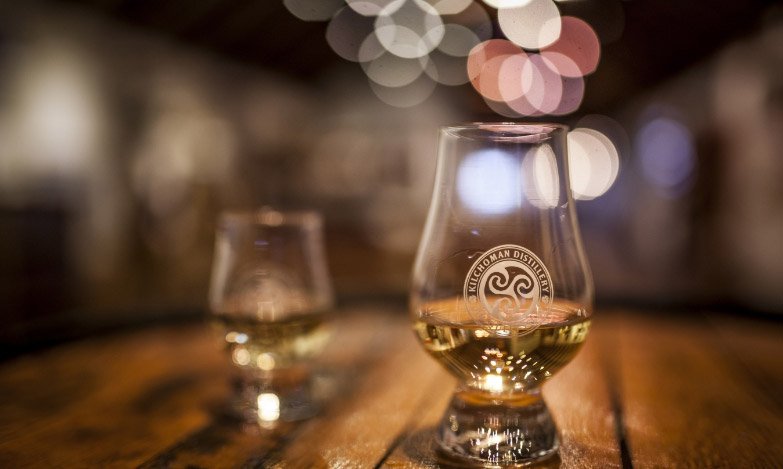
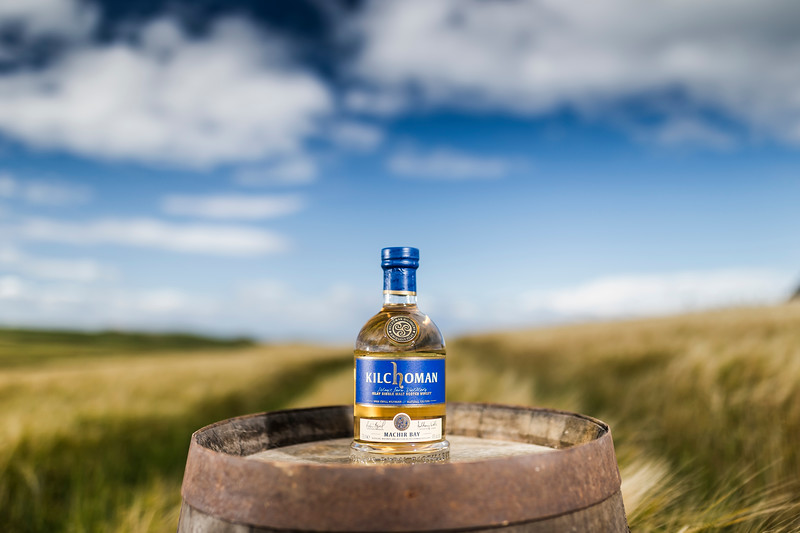
Kilchoman is a reflection of the island that produces it: slow going, thoughtful and best visited more than once. With this in mind, it’s worth taking a little bit of time to truly enjoy the moment – the more comfortable you are, the better. After all, you want the whisky to take center stage. Part of this is getting your favourite tumbler or Glencairn glass and delicately pouring just a dram into its shiny embrace. Take a moment to appreciate the colour. It may seem like a small thing, but the golden sheen of a Machir Bay speaks for its overall character: crisp, light and refined.
Kilchoman is best served neat, unspoiled by mixers. However, this is an individual choice and there are certainly some fine Kilchoman cocktails to be found, just ask those sampling the Machir Bay Old Fashioned on the European Tour. Alternatively, you can add a small drop of water – a process that releases some of the aromatics and flavour hidden inside. It’s also wise to cleanse your palate first. After all, it’s difficult to appreciate the subtlety of a good dram with the remains of an Islay Venison Burger stuck between your teeth!
Step two: Nose
First thing is first, before you take a sip, you must nose your dram of Kilchoman – A few swirls will help to unlock the aromas in your Kilchoman: notes of citrus zests, vanilla biscuit and ever changing layers of peat smoke will make themselves apparent initially. However, don’t worry if you smell something different, the human nose can detect over 30,000 different scents and you may well pick up on other qualities first. Some have reported hints of nuttiness, honey and the oddly specific ‘salted white chocolate’; just remember though, there is no right or wrong. Each experience is subjective and each sampling will reveal further depth for you. If you catch a subtle hint of Chilean shrubbery or a passing whiff of burnt rubber, that’s just your experience!
Try and make a mental note of each aroma that lifts from the glass. When it comes to tasting, it’ll help you pick out individual flavours from the sip. Start with your nose about an inch from the rim of the glass and gently inhale, noticing the lighter delicate aromas that rise up first. If your nose begins to burn, take a step back and inhale less strongly. If you pass out, unfortunately you’ve clearly forgotten to breathe back out.
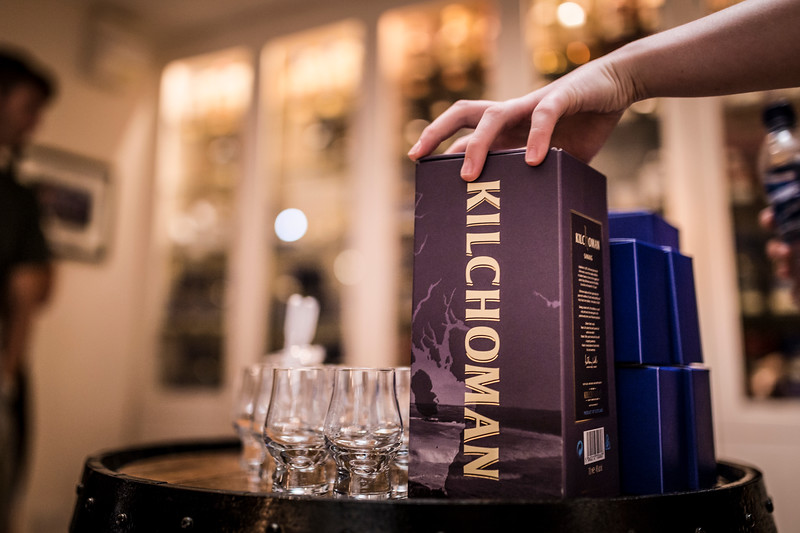
Step three: the taste
With the memory of the aromas still fresh in your mind, give the glass another swirl and slowly take a small sip, just enough to coat your tongue. Let it swirl around your mouth, using the whole tongue to sample the flavour. Different areas have different sensitivities to certain tastes, so the tip may reveal different secrets to the back or sides.
This taste is what’s known as the palate, which is the main course to the whisky experience – the nose being the appetizer and the finish being the dessert that leaves you perfectly satisfied. The palate of Machir Bay has been described by one guest to the distillery as “a generous burst of tropical fruit and raisin, followed by playful layers of wafting smoke”. Again, there’s no right or wrong here, and if your taste buds tell you that the smoke flavours are ‘drifting’ instead of ‘wafting’, and the layers ‘thoughtful’ instead of ‘playful’, who are we to judge? The joy of whisky lies in your experience, and as far as we’re concerned, every opinion is equally valid on the shores of Islay.
As mentioned, the final flourish is the finish. It’s the taste that follows you long after the whisky has become acquainted with your esophagus. One of the things that makes Kilchoman the perfect introduction to scotch whisky is the fact that its finish is a remarkably clean one. This means none of the alcoholic burn associated with some whiskies is present. Look out for hints of peat smoke and plenty of mixed fruits that characterise the Kilchoman range… it should feel like nothing short of a warm hug!
Step four: look photogenic
Like an Olympic gymnast nailing a perfect routine, it’s vital that you perfect your landing. Slowly lower your glass onto a coaster of your choice, exhale then look up and wink at anyone else in the room. They’ll know you’ve just sampled a Kilchoman. They’ll know you’re on the right track.
If in doubt you can always ask our founder, Anthony Wills, he’s an old hand at drinking whisky these days…
It is often said that life is about the journey, not the destination. At Kilchoman, however, we must respectfully disagree with this saying. You see, when the destination is Kilchoman Distillery, Isle of Islay, the journey doesn’t matter so much: the important thing is the way you feel when you step foot onto the island knowing a dram is in the distance…
There’s just one minor question… how do you get there? First thing is first, to be able to visit Kilchoman you must find your way to Islay…
The sky…
For those who enjoy the feeling of flight, freedom (and some extra legroom), there’s no better option than to hop on a plane and enjoy the stunning view of Islay from above. At present time, flights run twice daily from Glasgow airport, meaning that you only have to wait 45 minutes before being able to step onto Islay and sample the rejuvenating sea breeze that rolls across its rugged landscape. Flights will also be available from Edinburgh to Islay from the spring in 2019. During the flight you can not only see Islay, but you will pass over Arran and (if you’re lucky) you will see the majestic paps of Jura. Understandably, these flights tend to get booked up pretty quickly, so it’s worth booking well in advance if you’re planning to drop in from the skies. Oh, and don’t forget to leave some room in your luggage for a bottle of whisky or two…
The salty sea…
In our humble opinion, there’s no more fitting experience than watching Islay’s rocky peaks fade into view while stood on the deck of a traditional ferry – the drama of this approach only adds to the mystic and historic appeal of an Islay distillery holiday. If you fancy yourself as more of a seafarer than a plane goer, then jump aboard the regular ferry service departing daily from Kennacraig. For those without a car, the easiest way of reaching it is via a three-hour coach service from Glasgow. Arching up through the Trossachs national park, stopping off at Inveraray for a hot chocolate or an ice cream cone taking this scenic route isn’t the worst way to spend a morning…
Vehicle reservations are possible on the aforementioned ferry, however there is limited space. So again, it’s worth booking well in advance. No matter where you are in the UK, the journey should be fairly straightforward. If you’re determined to stick to the mainland you’ll find that most routes pass through Glasgow, easily reachable within eight hours from London (via the M6), six hours from Cardiff and just over three hours from Manchester.
Alternatively, for those who love exploring, it’s possible to go on an island-hopping adventure, warming up by taking in the stunning landscapes of Arran and Kintyre on the way. The first step is to ferry transfer from Ardrossen to Brodick, enjoying its 19th century castle before driving north to the suspiciously Italian sounding port of Lochranzia. Another ferry will drop you at Claonaig on the western shores of the Kintyre peninsula, where you can finally drive eastwards to Kennacraig. Although Google will tell you that this route is shorter, don’t be fooled – you’ll have time to kill waiting for ferries. Don’t panic though, each port town is steeped in centuries of unique history and tradition, giving you plenty to do.
…Via less epic rails
Unfortunately (or maybe luckily) trains haven’t reached the unspoiled shores of Islay quite yet. While we wait for the inevitable eurostar Islay expansion, your best bet is to get a high speed link to Glasgow or head to Oban then grab a coach to Kennacraig.
A good walk (or a trek) …
It turns out that walking from London to Islay takes 1 million steps (give or take). In other words, it only takes six days of your time and some reasonable footwear! It wouldn’t be the most time-saving journey, but you would definitely deserve a dram of Kilchoman when you arrived!
We kid, of course, the point is that no matter which way you get to Islay, the journey will always be worth it. Whether you’ve skydived in or emerged from the icy waters wearing nothing but speedos, hitched a lift with an Ileach or simply taken the bus, the sweet taste of Kilchoman’s award winning single-malt is guaranteed to restore warmth to your weary travelers’ bones.
Once on Islay…
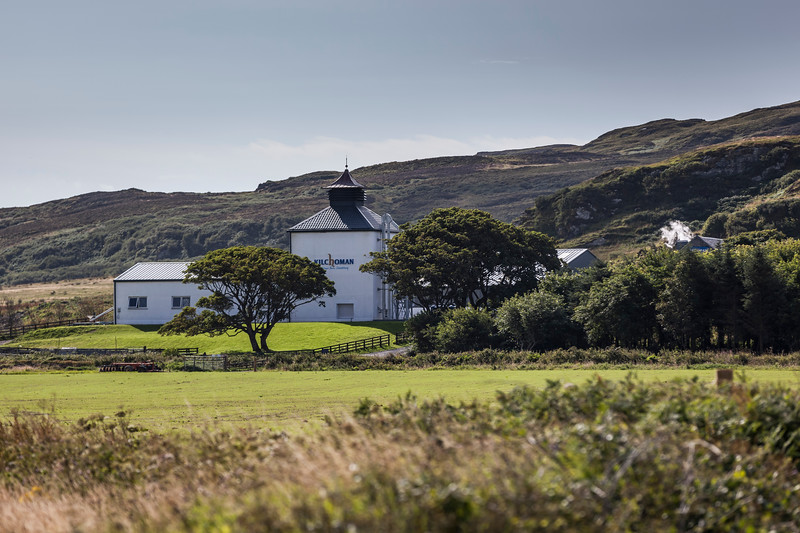
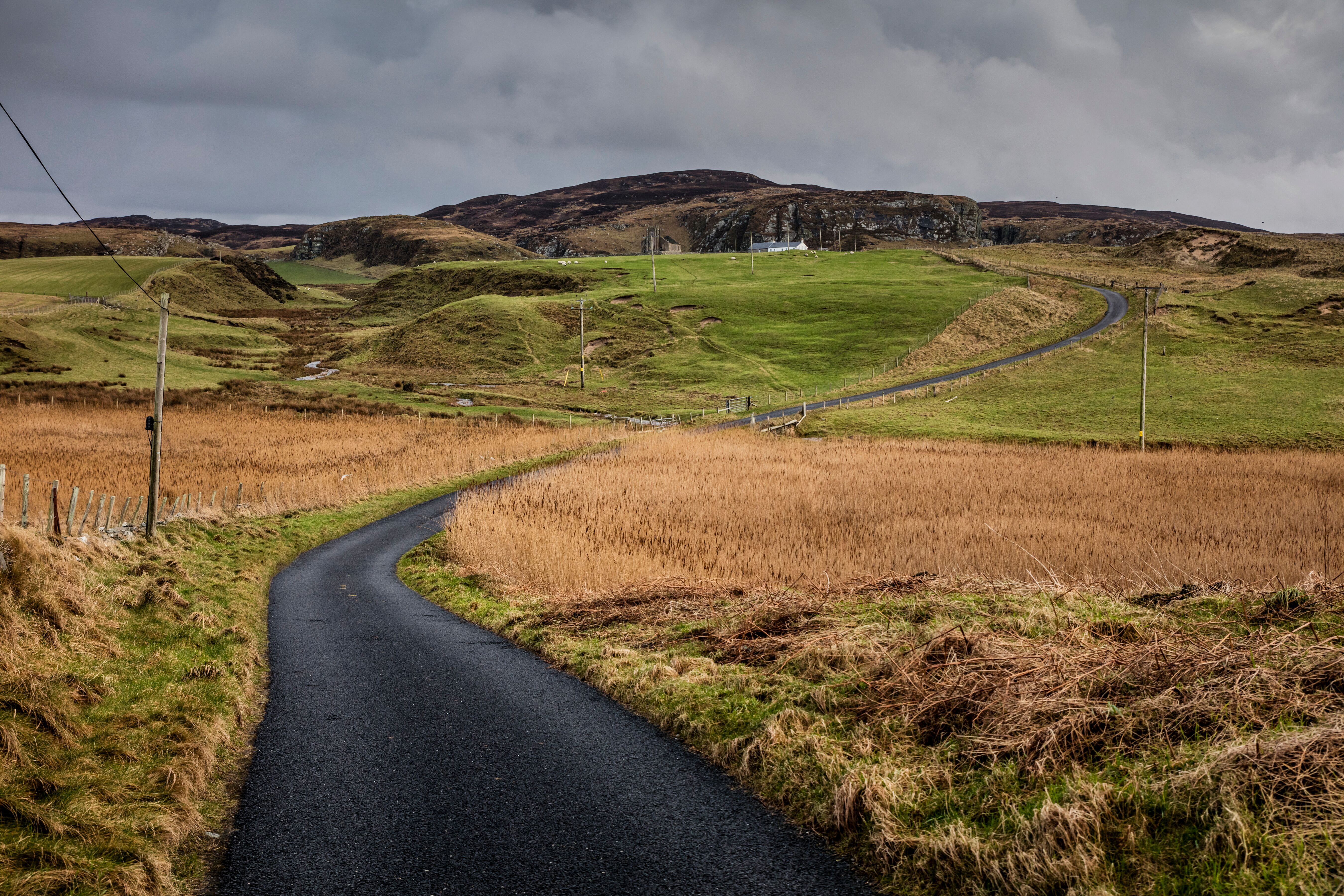
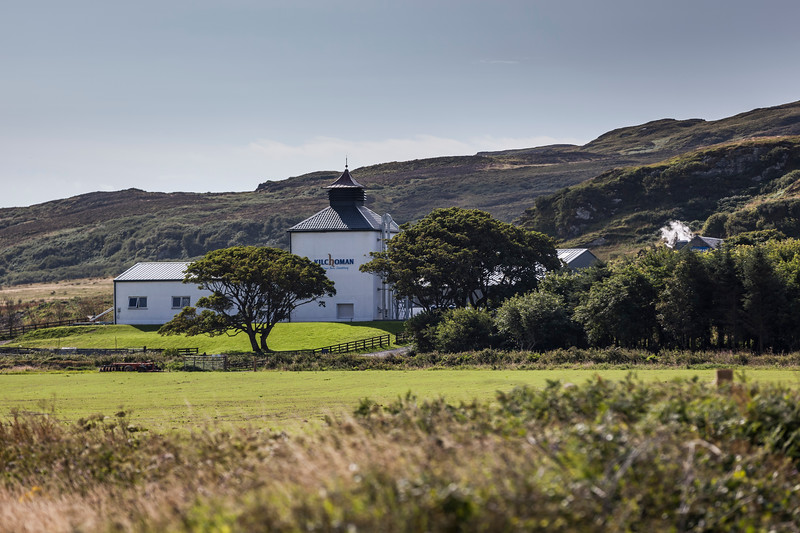
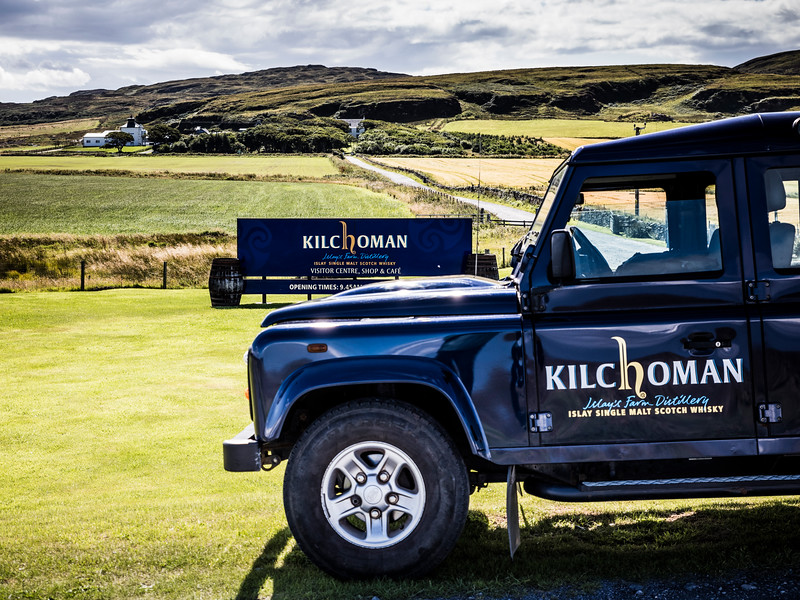
Now you have arrived on Islay, how do you find Kilchoman Distillery? It is a little off the beaten track but undeniably will be worth the wait, the trick of the trade is to have transport arranged, whether that be a hire car or a taxi (the Islay bus service does not stretch far enough to Kilchoman’s rural residence). Once in the car follow the single-track road (via google maps) and you will soon reach your destination. Around 40 minutes from each ferry terminal (and airport) you will be sipping on a dram of Machir Bay in no time! If you do manage to get lost along the way, the locals will be on hand to point the way!
With loch Gorm on your right hand side and Sanaigmore in the distance you know you’re on the right track to Kilchoman, a bit of a bumpy ride along the farm road, passing our golden barley fields, flocks of sheep and herd of cows you can park the car, breath in that fresh Islay air and enjoy your time with us at Kilchoman, we are so happy to have you here… Slainte!
On a Friday evening after a busy week at work, is there anything better than settling down in front of the fire with a large dram of your favourite Kilchoman in hand. But have you ever thought in that moment, what makes this dram of Kilchoman special and distinct? One of the reason for this are the ingredients that go into making the whisky aswell as the unique method in which it’s done.
Barley
All single malts are created from malted barley. Here at Kilchoman we have two separate barley sources; over 200 tons is grown on the farm at the distillery and distilled exclusively for the 100% Islay range, the balance is shipped to Islay from the mainland forming the base ingredient for our core range; Machir Bay, Sanaig and Batch Strength as well as most of our limited editions.
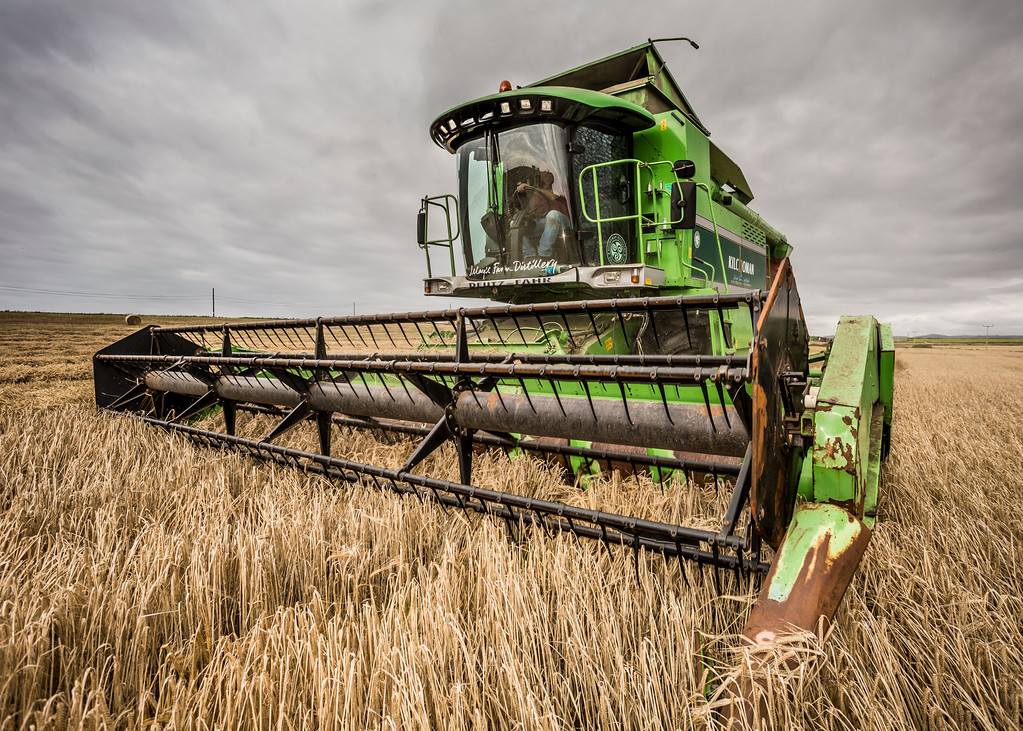
Growing conditions here at Kilchoman are drastically different to that of mainland Scotland. Whilst our soil is excellent quality, the stormy weather and salty atmosphere create a uniquely challenging environment affecting both the characteristics of the barley and the character of our 100% Islay whisky.
It is easy to see why many of Islay’s distillers have turned to mainland grown barley in place of local growers. The low rainfall and settled conditions of the east coast make growing high yielding barley significantly easier. The grains are noticeably larger than those grown on Islay, allowing distilleries to produce 5-10% more whisky per ton compared to Islay barley, like that grown at the distillery.
This year we’ve sown two varieties of barley here at Kilchoman, Concerto and Octavia. The barley made a good start, enjoying long periods of sunny weather broken up nicely by the odd days rain however just as we thought we might have a record harvest the weather turned and a period of wet and windy weather made harvesting a long and challenging process for Andrew and is team.
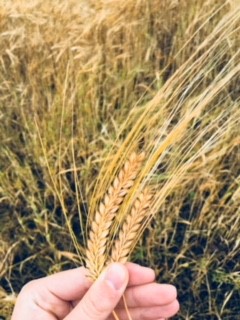
From left to right – Concerto and Octavia
Water
We draw our water from the Allt Gleann Osamail burn. Fed by a series of springs the water runs off the hills and collects in peat bogs of the Osamail glen just north of the distillery. The peat moss acting as a giant sponge, soaking up the water in winter and drip feeding the burn during drier summer months to ensure we are rarely short of water. The water picks up the distinct dark colour of the peat, resembling black tea. It is soft and pure with particularly low alkaline levels, perfect for distillation.
Peat
Islay Peat is special, and Kilchoman, though the newest distillery on Islay, we are arguably the most traditional in our scale and approach. Growing our own barley is part of this philosophy, however equally important is using Islay peat to smoke our barley. Islay is more exposed to the elements than mainland Scotland. The climate, ocean, wind and rain all have an effect on the island, therefore the peat and the whisky made from Islay peated barley is unlike any other; more salty, maritime and medicinal than mainland peated whiskies.
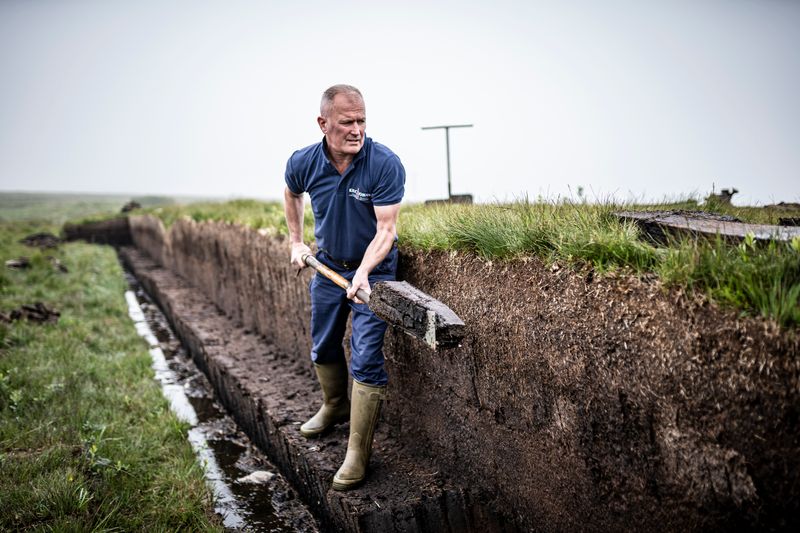
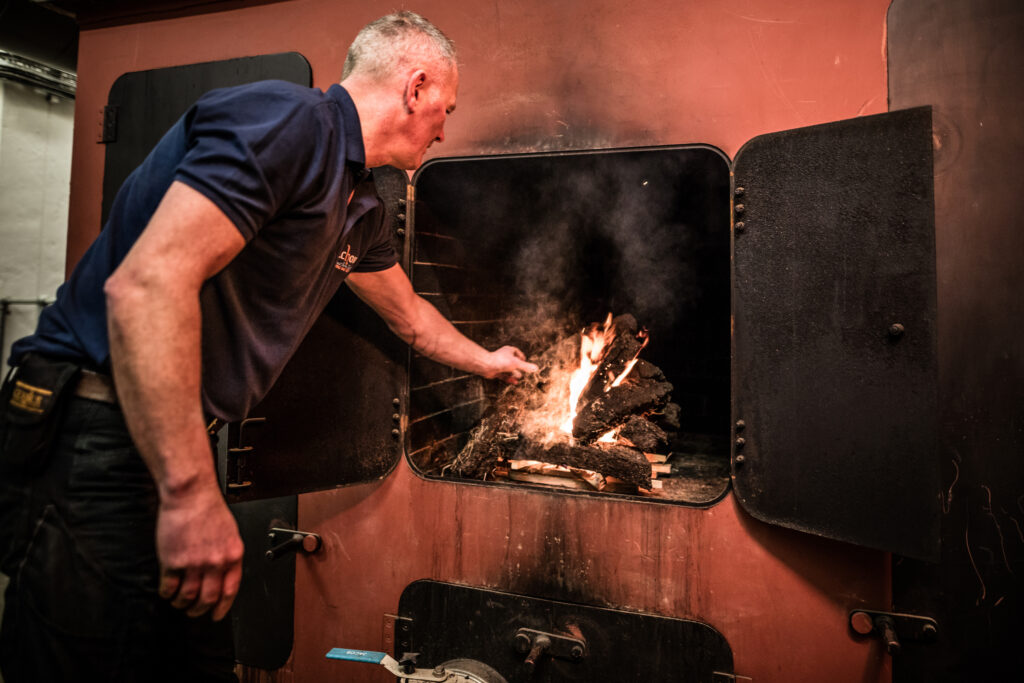
Each week when our green malt has germinated, it is taken to the kiln where it is peated over a 10-hour period. The green malt will lie above the peat fire in the kiln on a perforated floor and peat smoke will gently peculate through the grating imparting that special Islay flavour. Once spread, the door is shut, the fire is lit and we let clouds of smoke build up through the kiln and impart it’s characteristics into our barley. We will use around 80 – 100kg of peat per week and we mix the dried peat, with damp peat that we keep in barrels of water, this avoids our kiln becoming a fire and allows the maltmen to ensure that we are getting as much smoke as possible into the barley. When we light the kiln, we are looking for lots of peat smoke, not flames (as we found out the hard way in 2006!).
Yeast
Yeast is the fourth and final ingredient and it constitutes an essential part of the fermentation process. What exactly does yeast do? Once the mash has been ground down and the barley starch converted into fermentable sugar, the resulting liquid is something called ‘wort’. The wort is then pumped into a washback, and yeast is added. For every mash we create 6,000 liters of wort and we add 20kg of yeast to convert the sugars into alcohol. Every mash at Kilchoman is fermented for an average of almost 90 hours and the resulting alcoholic product is called ‘wash’, at around 8%abv.
There are different kinds of yeast that can be used in the production of single malt scotch: distillers’ yeast, brewer’s yeast, wild yeast, or a combination of each are suitable for scotch. We use Mauri Distillers Yeast during the fermentation process. While it may be more subtle than other elements of production, yeast certainly influences the overall flavour of a scotch whisky as different yeasts breed in different ways, thus influencing its chemical makeup and accentuating certain flavours. Generally speaking, distilleries will use yeasts that can cope with both high temperatures and high amounts of sugar, as well as those which do not clump together during fermentation.
The Method
Not only do we have our four main literal ingredients that are needed to make a Kilchoman dram, there are values that we follow, live and work by that have a huge part to play in our final product – Traditional methods in a traditional location, Hard Work, Dedication and Patience
Kilchoman Distillery was the first distillery to open on Islay in over 124 years and is a family run traditional farming distillery. Anthony Wills, our founder, made the decision to open a new distillery on this well-known whisky isle, this was driven by his passion to go back to the grass roots of whisky making. Producing whisky that had been made completing all parts of the process from barley to bottling on site.
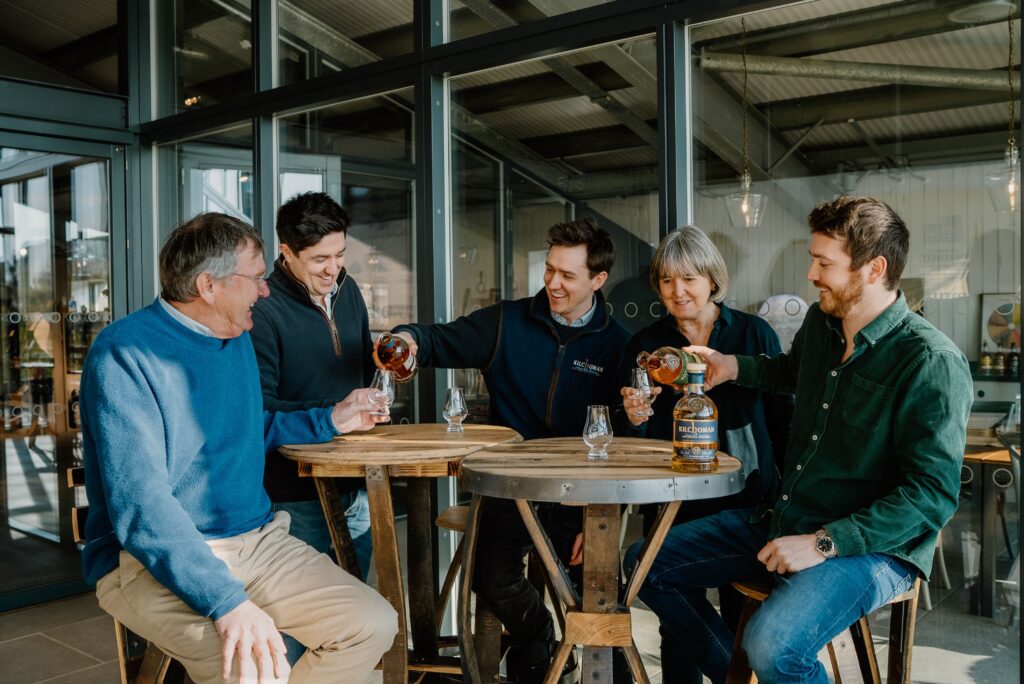
Anthony & Kathy, with their three sons, (from left to right) Anthony, George, James, Kathy & Peter.
It has not always been plain sailing, to produce a Kilchoman single malt takes patience, hard work and more often than not a bit of blood, sweat and tears, however 13 years later Kilchoman still continues to be a traditional family run farming distillery, the farm is thriving, our expansion is underway allowing us to produce more of our unique single malt and the family continue to run the distillery, Kilchoman is going from strength to strength. We hope the values and tradition that Kilchoman stands for offers something different to the whisky world.
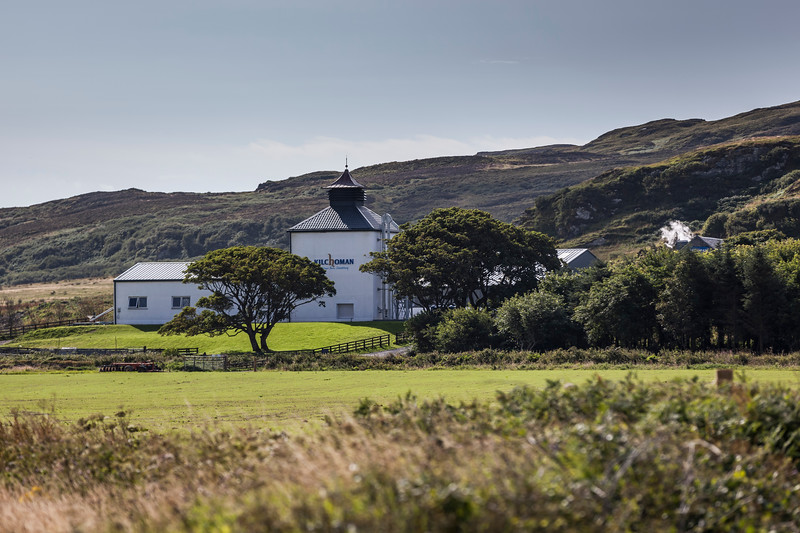
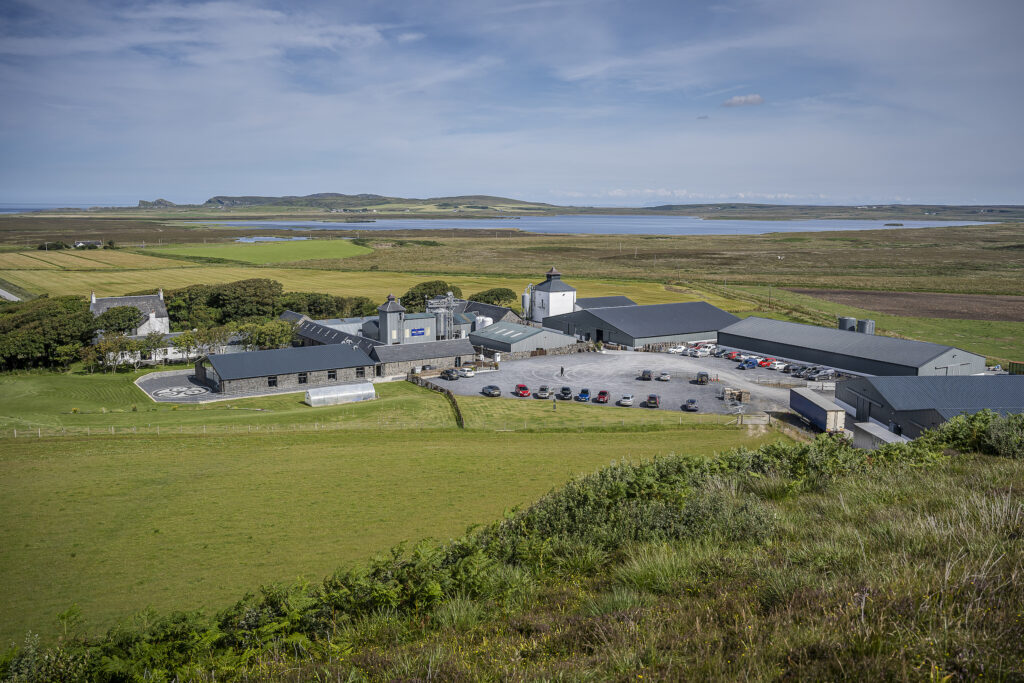
Islay’s distilleries each have their own unique history, vibrant layers woven deep into the fabric of the Island. If you’re lucky enough to ever find yourself stood on the golden sand of Machir bay on a rare sunny day, you might even detect the warm scent of peat smoke rolling over the sand dunes from Kilchoman’s Kiln. Follow that scent and you’ll walk past golden fields of barley, right up to the gates of the distillery itself. Unlike other whisky distilleries on Islay, that grain is the one that ends up in the bottle – forming our 100% Islay single malt whisky. In fact, every step of its production, from barley to bottle, takes place on-site. It’s the way whisky was meant to be made, and if you’d be so kind as to join us on the Kilchoman distillery tour, we’ll show you just how.
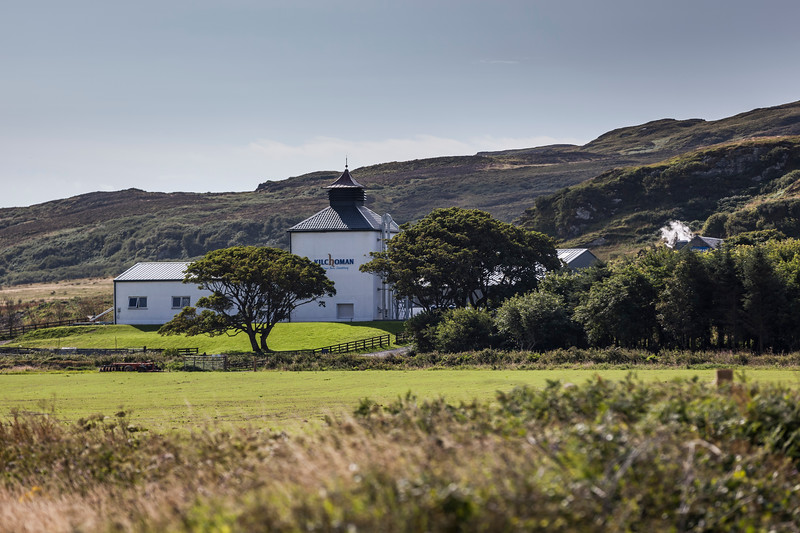
The Meet
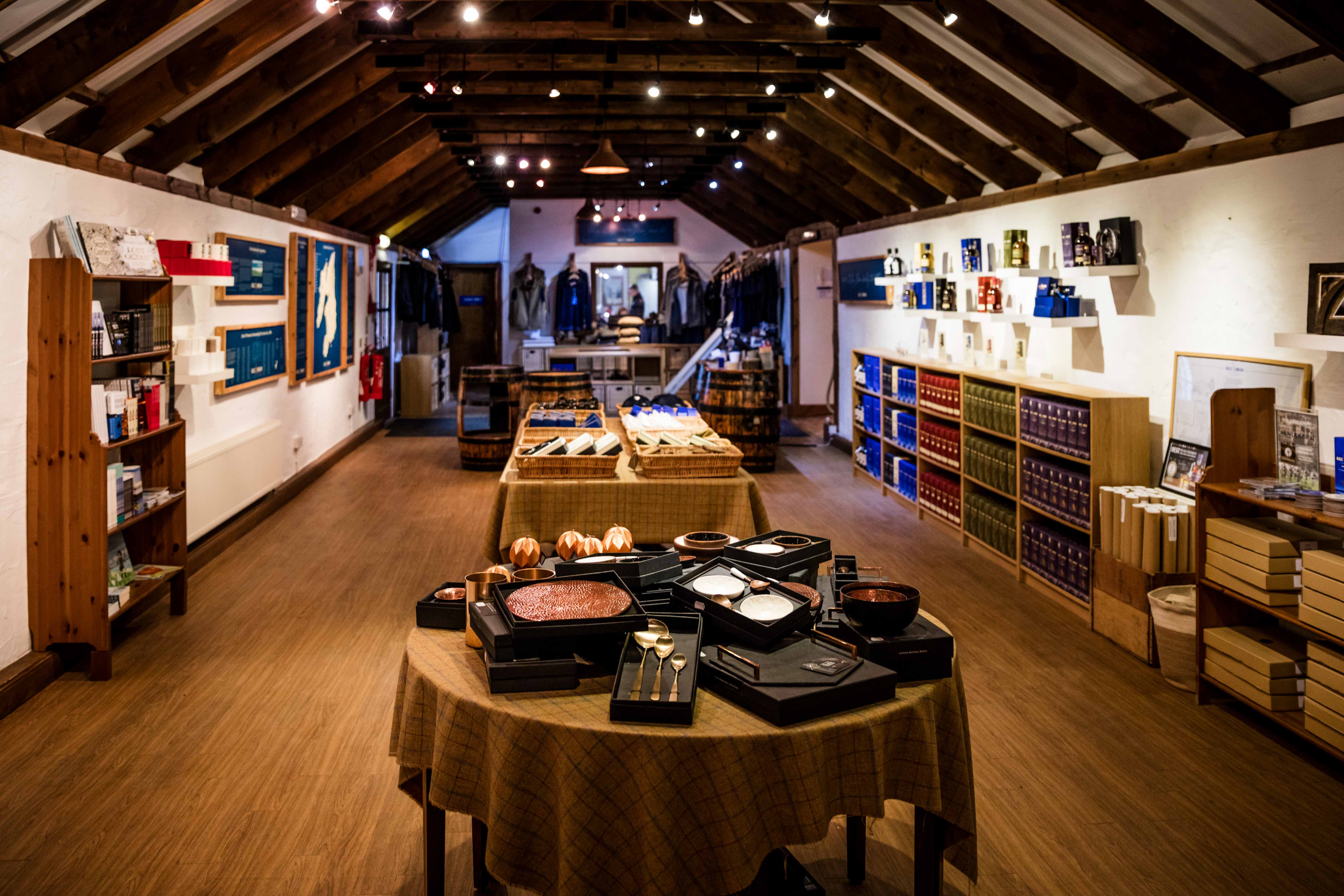
After arriving at Kilchoman, you’ll get a chance to meet fellow tour goers and have a look around our visitors centre. Adorned with traditional low beams and mementos of life on Islay, it’s the perfect space to mingle and absorb some of our history before the main event begins.
The tour starts with an induction by one of our tour guides. With encyclopedic knowledge of the distillery’s inner workings, they’ll guide you through the history of Kilchoman; from the ambitious vision of founder Anthony Wills to the bottles of whisky being produced today and hear what the future holds for Kilchoman. As the smallest distillery on the island there’s a family feel to affairs, questions are encouraged, and anyone is welcome to photograph throughout the tour. In fact, there’s a good chance you might bump into Anthony himself, or his wife Kathy, or any of their three sons checking the production – all of whom have been known to happily stop for a chat. Like we said, it’s a family affair.
The Malt
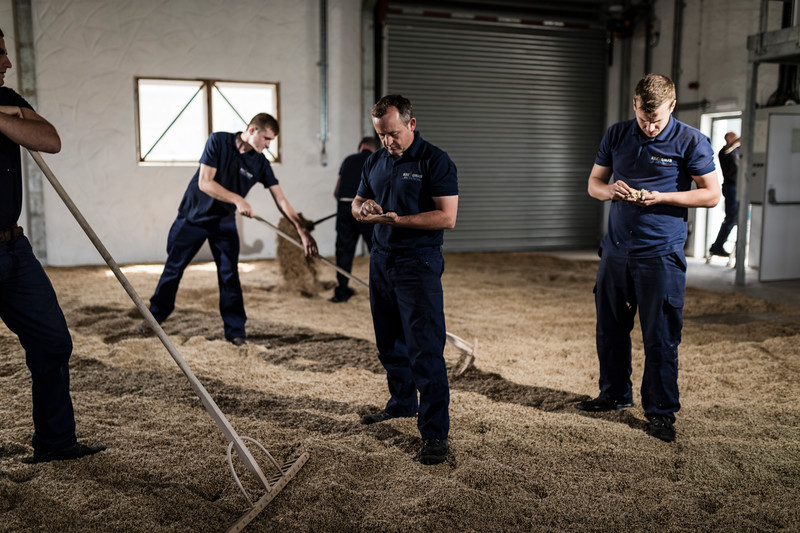
Stop one of the tour is the malting floor. Here four tons of barley are soaked for 48 hours before being spread evenly across the malt floor. This step begins the germination process, where natural enzymes begin to break down the starches in the grain. As the grains are turned and raked by the production team, the sweet nutty aroma of the sugars are released into the surrounding air. Visitors are welcome to pick-up and feel the barley for themselves, noticing how it runs between the fingers and varies from grain to grain. It’s hard to imagine that whisky could ever be produced from these tiny seeds but soon the picture starts to come together.
The Kiln
Islay is famous for its peat, with its distilleries using the natural sources for centuries to produce peated single malts renowned the world over. The kiln at Kilchoman is no different, sitting our barley three metres above a gentle smoldering peat fire for 8 hours allowing the rich smoke to pass through the barley, before we then start to dry the barley – stopping germination at just the right point. The smoke from this fire is one part of what gives Kilchoman its unique, complex taste, quite literally absorbing the flavours of Islay.
The Mill
While looking around you’ll be able to see that all the equipment has been custom-made to produce the exact flavours desired by our stillmen. Every piece but the Mill that is. Used to expose the sugars from within the tough outer husk of the barley grains, the Porteus mill we use has been running consistently for eighty years, predating the distillery and all of those that work within it.
Over the continuous rumble you’ll be told the bittersweet story behind the mill, the constantly beating heart of the distillery. You’ll also be able to see how the barley ends up as grist, a mix of husk, grit and fine flour. You can actually use the grist to produce traditional scottish cakes, but more about those later.
The Mash
Our Still House is also home to our Mash Tun you’ll be able to witness the process used to extract the sugars from the grist, 1.2 tones to be precise, is put in to our small but perfectly formed mash tun. Here the sugars dissolve into hot water creating a naturally sweet, nectar-like water known as ‘wort’. You will also be told why there are bent spoons over the sprinklers… Some people describe drinking wort like eating raw cake batter, some quite enjoy a sample but we prefer it as whisky. Of course, you can judge for yourself and you’re more than welcome to try some, comparing it to the wash created in the next step. Speaking of…
The Fermenting
As you enter our Tun Room you will see our 6 wash backs. These contain cooled down wort and just the right amount of yeast to break down the sugars within, producing the all important alcohol and carbon dioxide. This might sound familiar to some. We call it ‘wash’ but others will know it better as beer, a strong one admittedly (8%), that you can sample fresh from the production line.
Not only are Kilchoman wash backs smaller than the other distilleries on Islay, they also keep the wash inside for around a day longer than most other distilleries, 82 hours in total. This extra time is what gives Kilchoman its light, fruity and slightly dryer wash which once distilled produces our unique floral and sweet spirit.
The Distillation
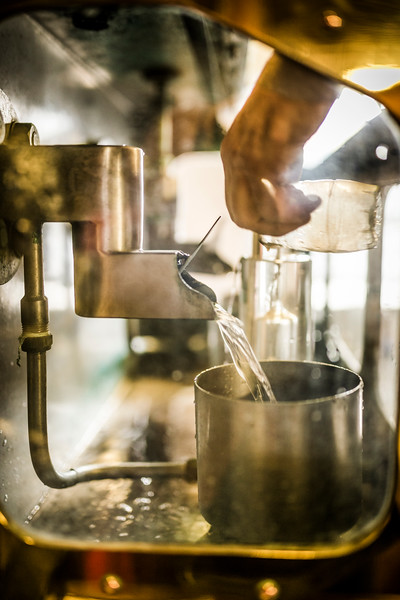
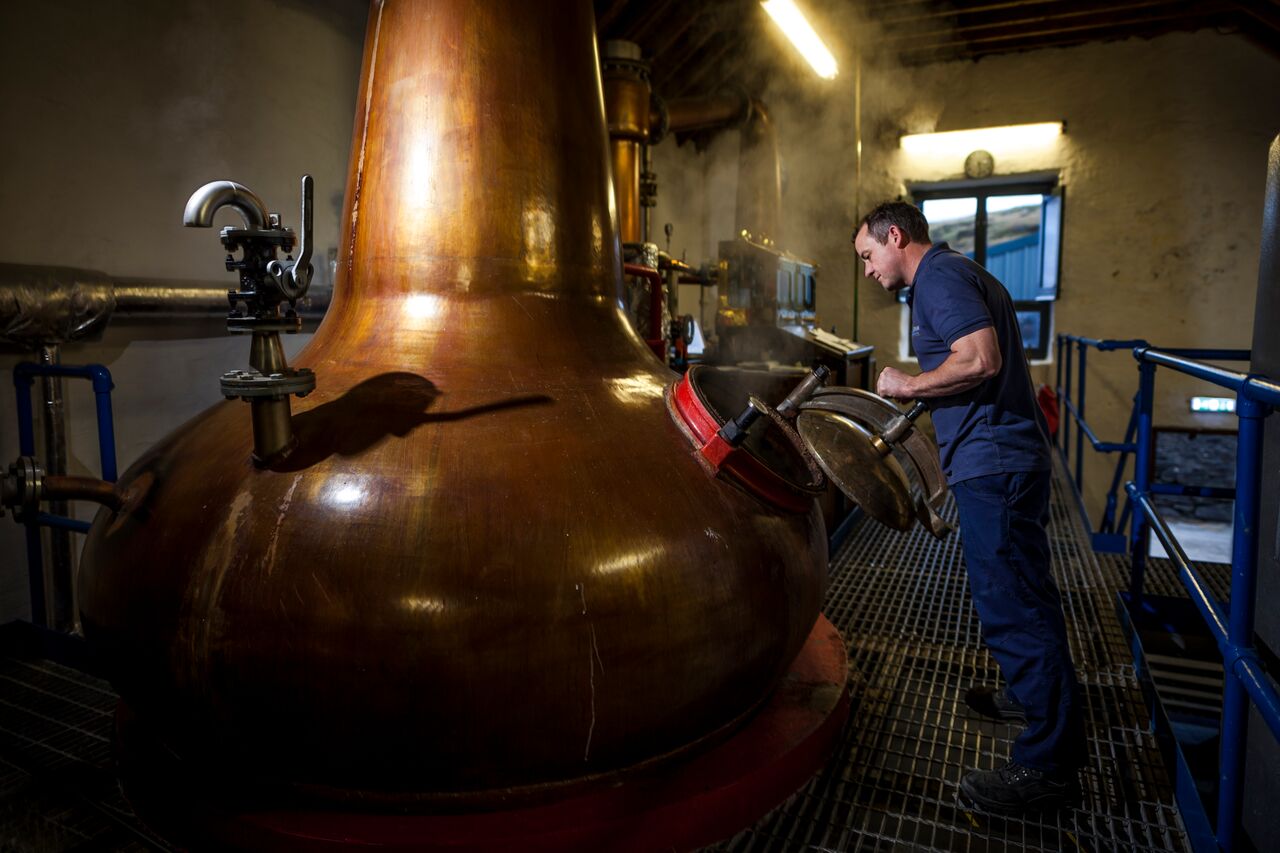
If the mill is the heart of distillery then the two pot stills we use are its hands, taking the wash and carefully moulding it into the pure Kilchoman spirit. You’ll be able to examine both the wash still, used to produce 1000 litres of 19% ‘low wines’, and the spirit still, which refines this further into 300 litres of pure spirit.
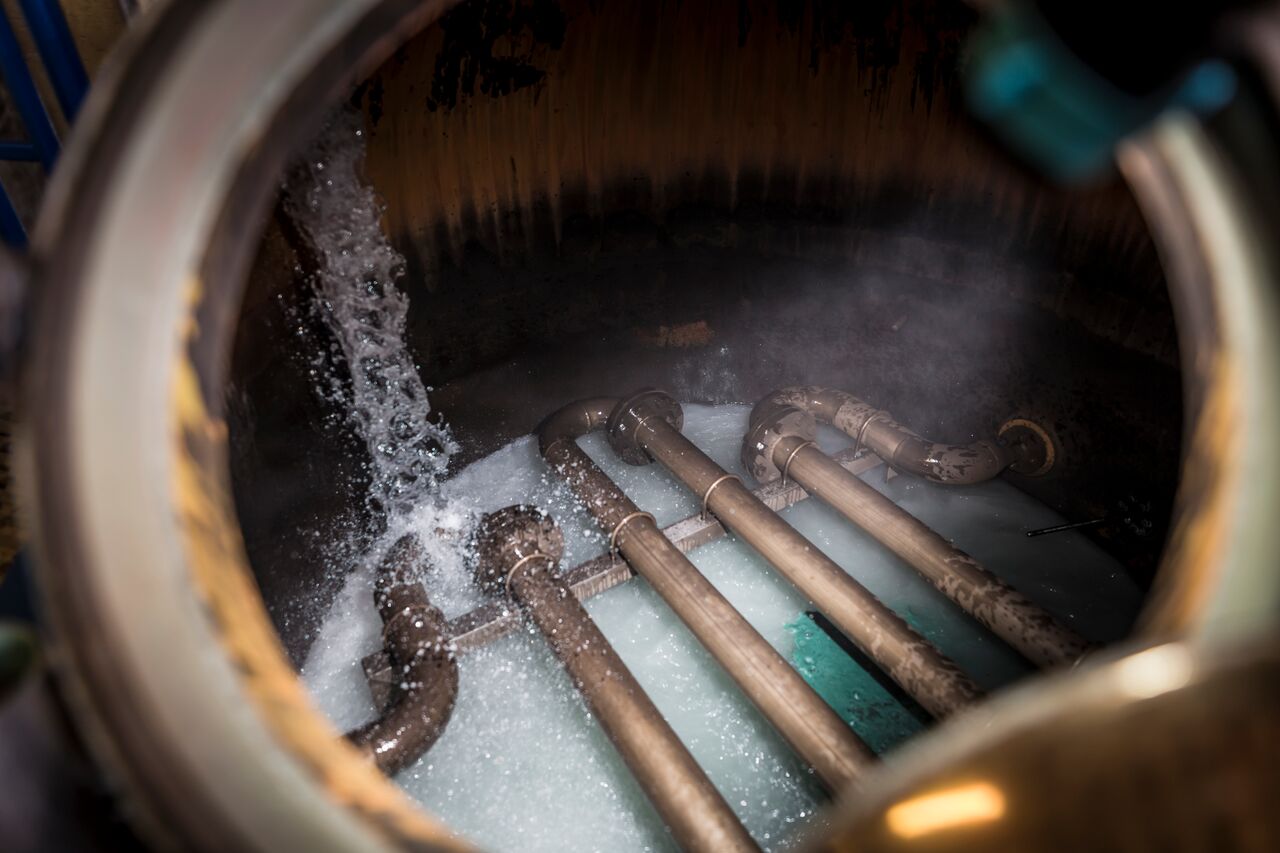
Each distillation lasts around three and a half hours, during which the production team makes sure only the ‘heart’ of the spirit ends up being sealed into our selected casks. The science of pot stills is incredibly intricate, and our spirit still has been hand-crafted to make the most of it. Our stills are the smallest on Islay and amongst the smallest throughout the whole of Scotland. This, alongside an elegant copper neck and reflux bulb, helps to achieve the distinct character Anthony Wills set out to achieve almost 13 years ago.
The Maturation
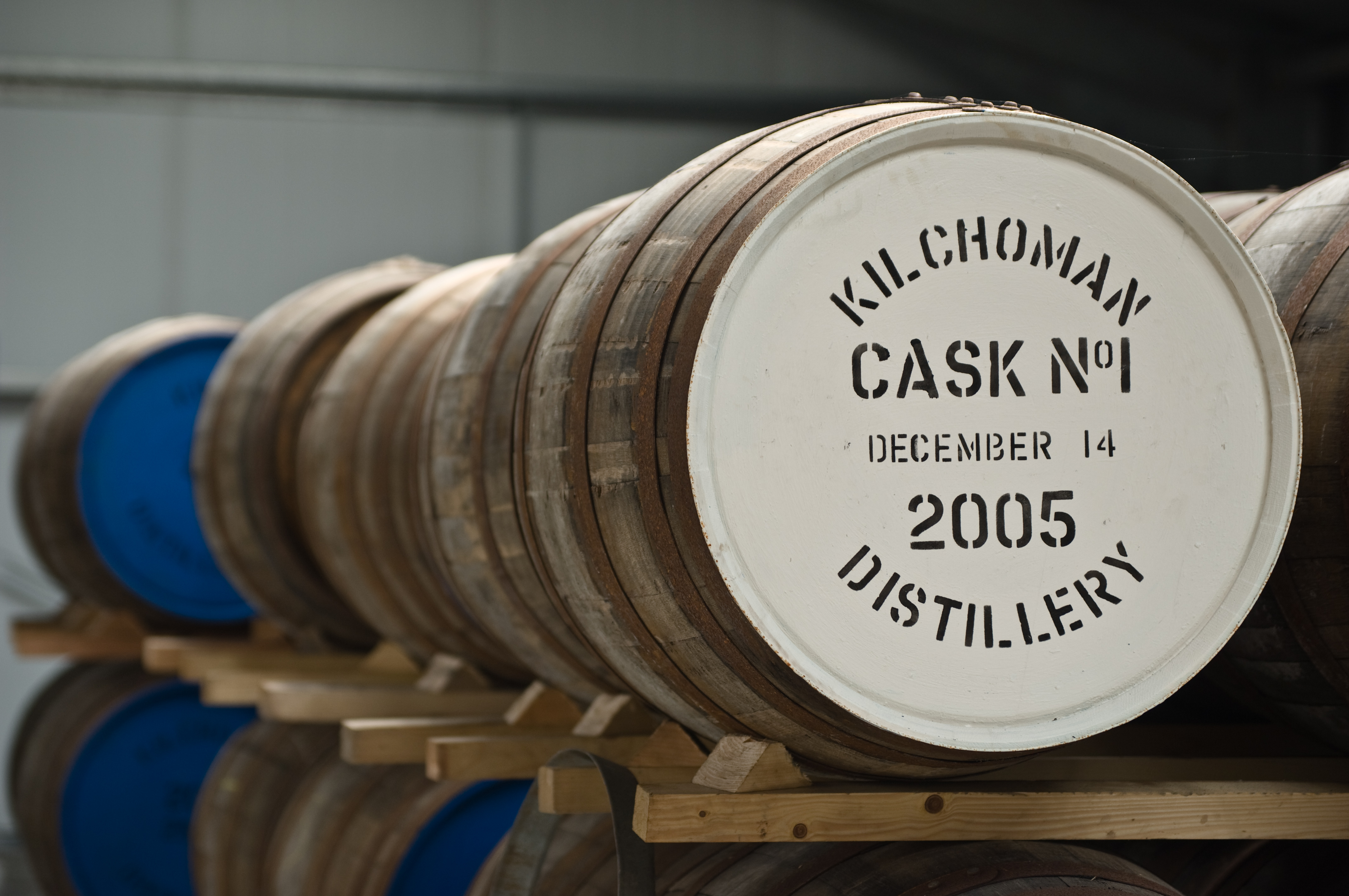
For the keen whisky enthusiast on the premium tour, you’ll be welcomed into the warehouse – where the spirit spends years interacting with the oak casks that give the whisky its depth of flavour. No cask is the same as the last and our expert team are on hand to share their secrets, as well as a dram or two.
The Bottling
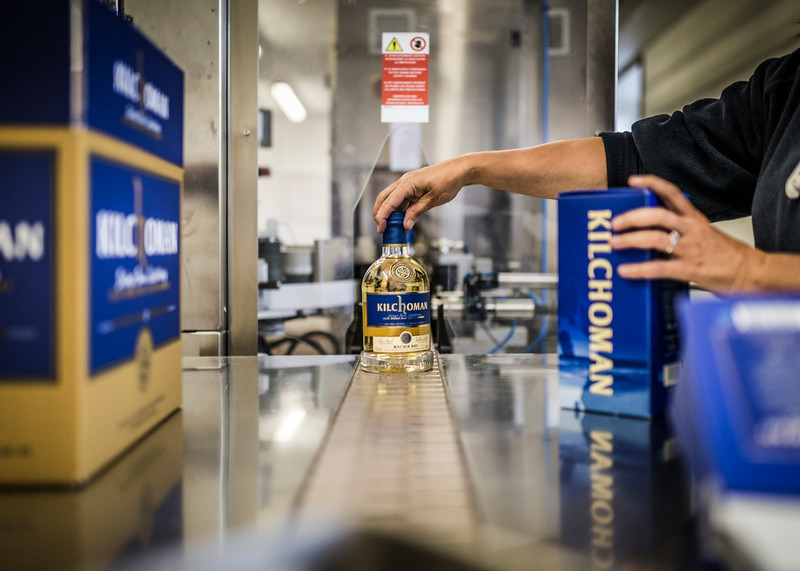
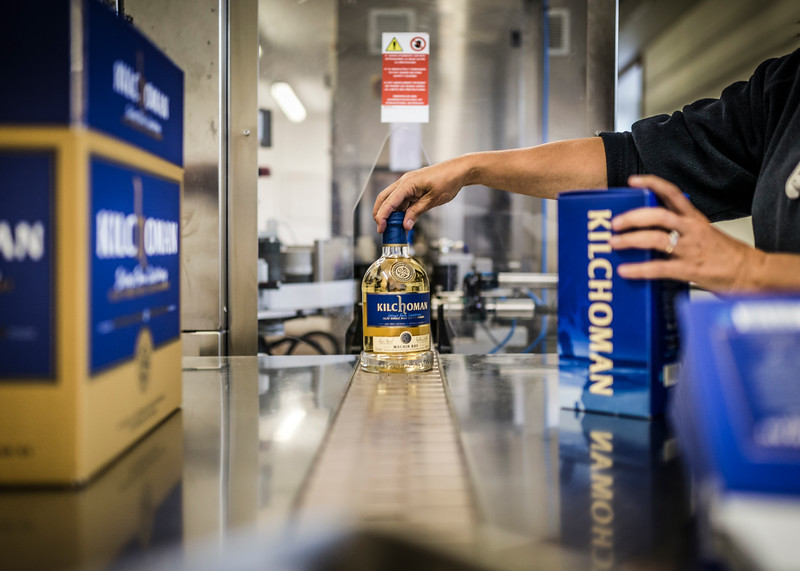
We are one of only two distilleries to bottle our whisky on Islay and at the distillery. In the Bottling Hall you’ll find our hard-working team, taking care to bottle and seal each bottle, before finally adding the kilchoman coin. Over recent years the bottling hall has been expanded to keep up with the increasing demand for our range of Single Malts. Although all our single cask releases are still hand labelled and numbered.
The Taste
What’s a whisky tour without a taste? During the tasting session you’ll be able to compare notes with other members and your guide, raising a dram unlike any other. For those unlucky enough to be designated drivers (or who just don’t fancy it) you also have the option of taking your samples home as a miniature, perfect for sampling later.
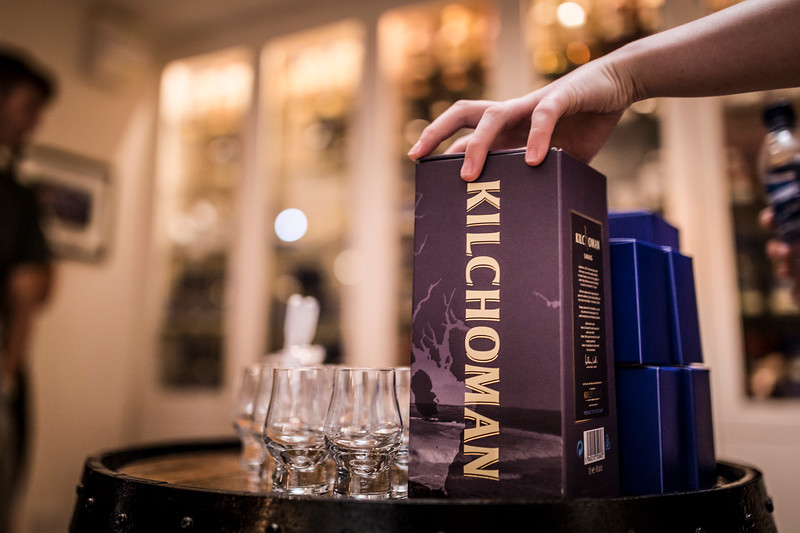
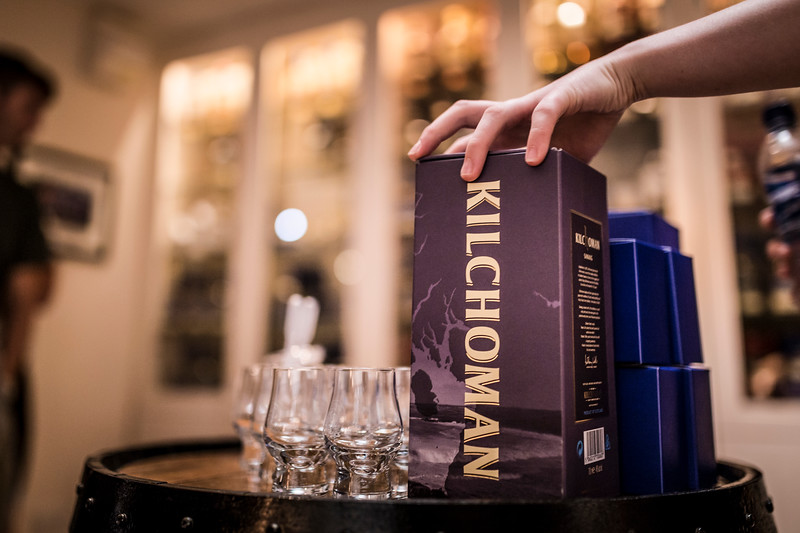
For those on the premium tour there’s a longer tasting session of five drams in total. Between each sample the palette is cleansed with a homemade grist biscuit (told you they’d return) and a discussion of the flavours that form each sample. Every member of every tour is also welcome to keep a branded Kilchoman tasting glass as a souvenir, lovingly boxed for safe transit – though why you’d want to leave is another matter.
The Finish
Smooth and with a warm afterglow, but enough about the whisky. After your tour has come to a close you’re welcome to come have a chat with anyone here at the distillery, learning about all that makes Islay so much more than the whisky we make. You can also have a look around the Kilchoman shop, everything from whiskies to traditional Scottish tweeds – designed by Kathy Wills. It’s a family affair and we’d love it if you joined.
After one of the best summers for decades, the days are shortening and the wind and rain have returned. The barley farmers on the mainland have long since packed away their combines, here on Islay it’s a slightly different story. The late sowing of our barley, 6-8 weeks behind farmers on the mainland means we’ve missed the better weather for harvest and we’re now battling the autumnal weather to get the barley off the fields.
Single Variety
This year we planted a total of 97.5 acres. After trialing a new barley variety called Laureate last year, we decided to sow 77.5 acres of Concerto, a variety that we know from experience does well on Islay, and 20 acres of Octavia, a variety that we had not grown before.
It would appear that the Concerto has faired slightly better than Octavia. The Concerto ear (the barley head which holds the grains) is notably bigger, the grains bolder and there are more grains per ear, on average 28 against 22 for Octavia. This will likely mean that the Concerto barley will provide a higher yield (tonnes per acre) than the Octavia but only time will tell.
Barley varieties aside, this year we are doing things a little differently. Once harvested, in the past, all our barley (no-matter what variety) has been harvested and dried together before being malted and distilled jointly. This year the Concerto and Octavia varieties will be harvested and dried separately, before being individually malted, distilled and matured eventually becoming…
…Islay’s only Single Variety, Single Farm, Scotch Whisky…
 From left to right, Concerto and Octavia
Single Farm
Whisky enthusiasts have often speculated about the extent to which barley varieties influence the character of single malt and with recent improvements to our malt house, we will be able to give some answers.
The thing that will make this interesting is that this will be the first opportunity to isolate barley variety and how it alone impacts the character of the whisky. Other comparisons of varieties and their impact on single malt have been open to variances in growing, malting, distilling and maturation. As we have control over each aspect of production on a Single Farm, from grain to glass, everything apart from barley variety, will be identical; from growing the barley in neighboring fields, malting on the same malt floor, distilling in the same stills and maturing in the same casks in a single warehouse.
All being well, we should finish harvesting by the end of the week and come January we will begin malting and distilling the first batches of Concerto and Octavia barley, at which point we will update you on the initial findings.
Anthony Wills, Kilchoman Founder and MD “We’re excited to see how this project turns out. We fully expect there to be a difference between the varieties however the extent and particular character created by the different varieties will be very interesting to see. I look forward to tasting the spirit early next year.”
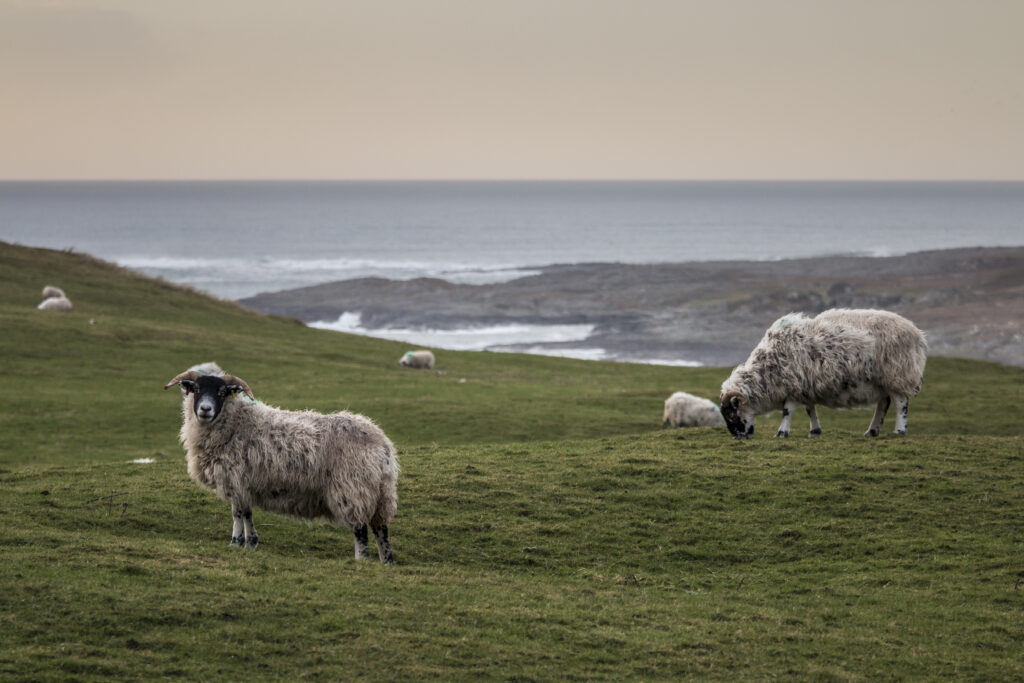
The island of Islay is famous for its peated single malt whisky, beautiful scenery and remarkable history. The weather, on the other hand, can be infamous. Whilst temperatures rarely fall below freezing, wind speeds sometimes exceed 100mph and it once rained for over 90 days in a row. Both Islay and Islay Whiskies, none more so than Kilchoman, are a product of this unique environment. So let’s look at how the weather influences our whisky.
Savage winter winds
Islay’s position 15m (25km) west of mainland Scotland leaves it entirely exposed to gales that sweep in from the Atlantic Ocean. This means that Islay, like many of our neighbouring islands, has very few trees. In place of wood, generations of Ileach’s (people from Islay) have turned to peat as their main fuel source, burning it both in their homes and when drying their barley ahead of distillation. Though it doesn’t produce as much heat as wood, peat was readily available at a time when Islay rarely traded with mainland Scotland. As the island modernised, cutting peat for domestic use has become less common, however for Islay’s more traditional distilleries, Kilchoman included, peat remains crucial to creating the briny peat smoke character for which Islay whiskies are famous.
Rain, wind, barley and geese
As the old saying goes, ‘today’s rain is tomorrow’s whisky’ and with nine working distilleries and an average of 191 days of rain each year it shouldn’t come as a surprise to know that Islay has plenty of whisky!
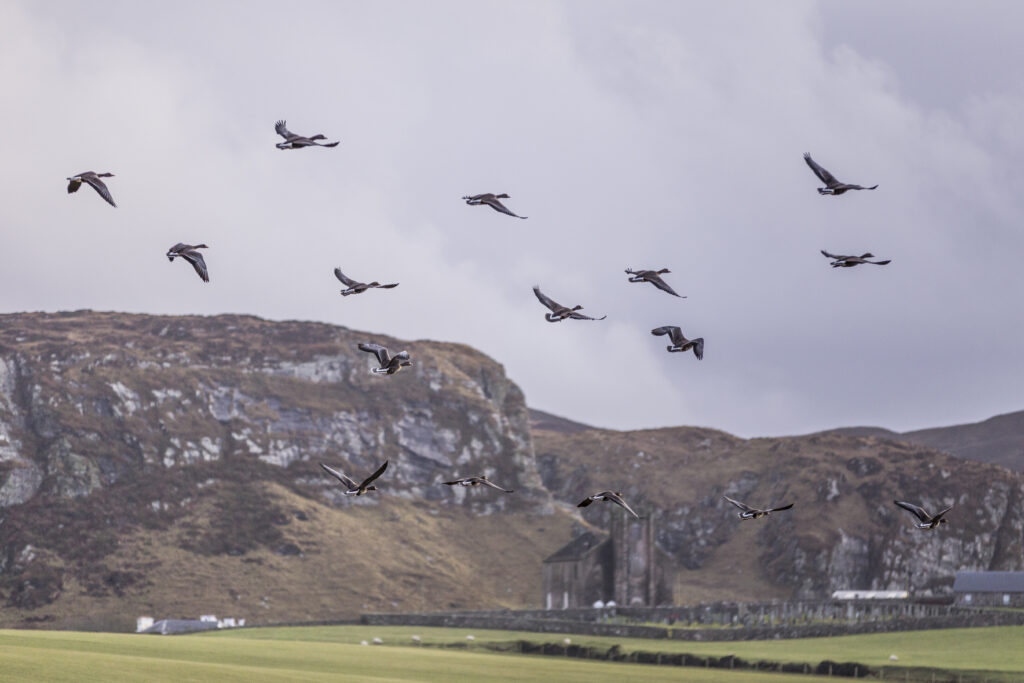
Whilst the rain might provide us with something no distillery can do without; water, it poses an unpredictable challenge to our farmers. That said, there is little we can do to control the weather, a more direct worry is the 40 – 50,000 migrating geese which winter on Islay every year. Farmers, us included, must protect their seed from the hungry geese, waiting until they leave in mid-April before sowing our barley, 1-2 months behind mainland farmers. This has the knock-on effect of a late harvest, leaving us exposed to deteriorating early autumn weather as we wait for the barley to ripen.
All of these elements, rain, wind, barley and geese play a part in the chemical makeup of Kilchoman barley, affecting how easily it is malted and peated, the amount of spirit we can produce from each ton and of course the final character of our mature single malt whisky.
Islay’s mild temperatures
Perhaps the biggest impact on Kilchoman is Islay’s mild climate. Islay’s location on the south west coast of Scotland places it directly in the path of the Gulf Stream, an underwater river of warm ocean water flowing from the Gulf of Mexico to the western Isles, ensuring that Islay’s weather, though wet and windy, is consistently warmer than the mainland, especially during the cold winter months. From summer to winter, the average temperatures here on Islay only various 10°C on average, from 7°C (45°F) in the winter to 17°C in the summer (63°F).
This mild climate together with our traditional dunnage warehouses, create the perfect environment for steady and consistent maturation of our whisky, allowing the spirit to be gently drawn in and pushed out of the cask as the warehouse temperatures peacefully rise and fall over the course of the year. This interaction between the spirit and the cask is the basis of maturation, controlled entirely by the climate of where the whisky is aged.
Kilchoman is as much a product of Islay’s climate as any other part of the whisky-making process. From sowing the barley to maturing our whisky the island’s unique weather plays its part in shaping Kilchoman’s distinct character.
Click here to stay in the know with all the news from the distillery and info about upcoming releases by signing up to our Kilchoman Club.
At Kilchoman distillery we have two pot stills, our wash still and our spirit still. From these stills we are able to create something very unique and powerful; our new make spirit. Kilchoman new make spirit is light and floral, like magic in a glass. The question is however, how are we able to create this magic?
An overview of distillation
After our barley is grown, harvested, malted, peated, dried, mashed and fermented, it’s finally ready for the process of distillation. The first stage is to add the wash from the previous step into a large pot still called the wash still. These are normally handmade from copper and heated from below, vaporising the liquid into a fine alcoholic mist – a product reminiscent of the foggy Islay clifftops looming outside. This then rises up the neck of the still where it condenses into a liquid called ‘low wines’, at around 25% alcohol by volume. Enough to get you stumbling, sure, but it’s not a something we would advise on drinking! At Kilchoman, 3000 liters of wash is pumped into the wash still, from this only 1000 liters will become low wines, the rest is pot ale (which we use as fertiliser on our barley fields.)
Since the low wines themselves are frankly undrinkable, the still men move it into a second, smaller still called the spirit still. When heated, the alcohol rises much like an actual spirit, and separates out into three phases of which only the middle phase is deemed good enough to be collected for maturation. This forms the ‘heart’ of the whisky and is taken to our filling store to be filled into casks for maturation in one of our four dunnage warehouses. Meanwhile, the early (foreshots) and late phases (feints) are mixed into the next batch of low wines ready for another round of distillation. From the 3000 liters of wash that we start with at kilchoman, only 300 liters of new make spirt is created.
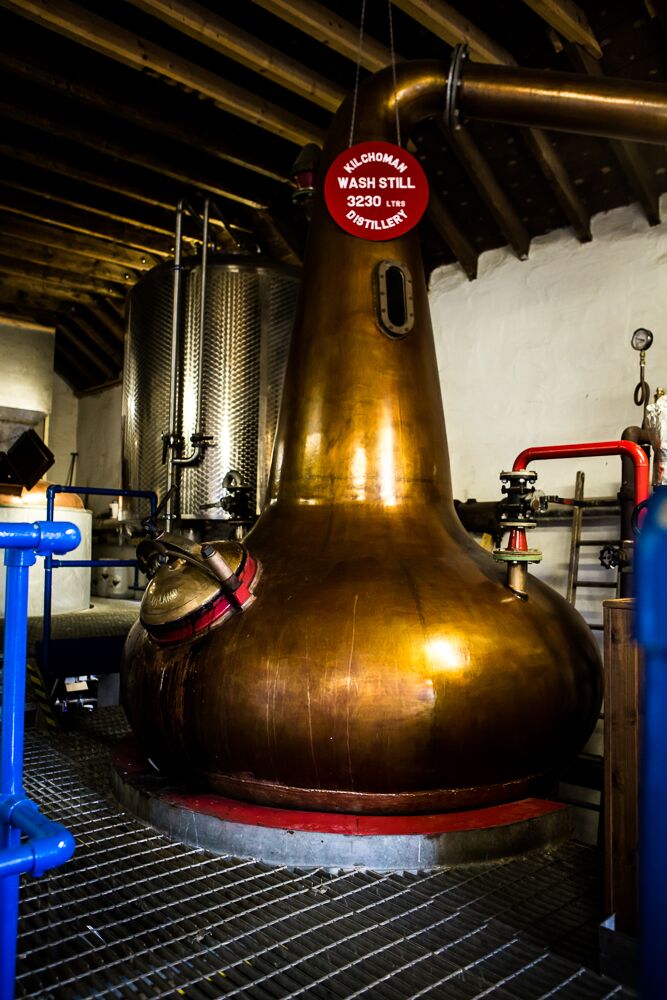
The wash still
The beauty of the pot still is that it helps to keep the flavor of the mash, unlike the reflux stills used for vodka or rum. The shape of the wash still is fairly generic, from distillery to distillery the wash still will look the same but will most likely differ in size. At this stage, the wash still doesn’t necessarily have an influence on the character of our end spirit.
The spirit still
The spirit still is the smaller of the two, and the most important when it comes to creating the fundamental flavors that define a whisky. The neck shape is a key component, as is the overall size. Kilchoman Distillery use a 2070 liter still with a relatively tall, narrow neck. While this might sound large it’s remarkably small compared to some distilleries which are home to pot stills over ten times the size. At Kilchoman we have a tall narrow neck on our spirit still and we distill slowly thus giving us our unique light floral spirit. The reflux bulb (or boil bulb) on our still aids the purification of the spirit, this is where vapor can circulate and interact with the copper for longer, removing more unwanted compounds and resulting in a more defined flavor. The spirit must work harder to climb up the neck, the more difficult the spirit finds it to rise up the still, the lighter our spirit will be, this is what gives us our unique clean, light and fruity spirit. Therefore, the larger the reflux bulb the lighter and fresher your spirit will be. There is no right or wrong, with each distillery looking to create their own unique whisky profiles, steeped in the traditions of their region. With different traditions come different pot stills.
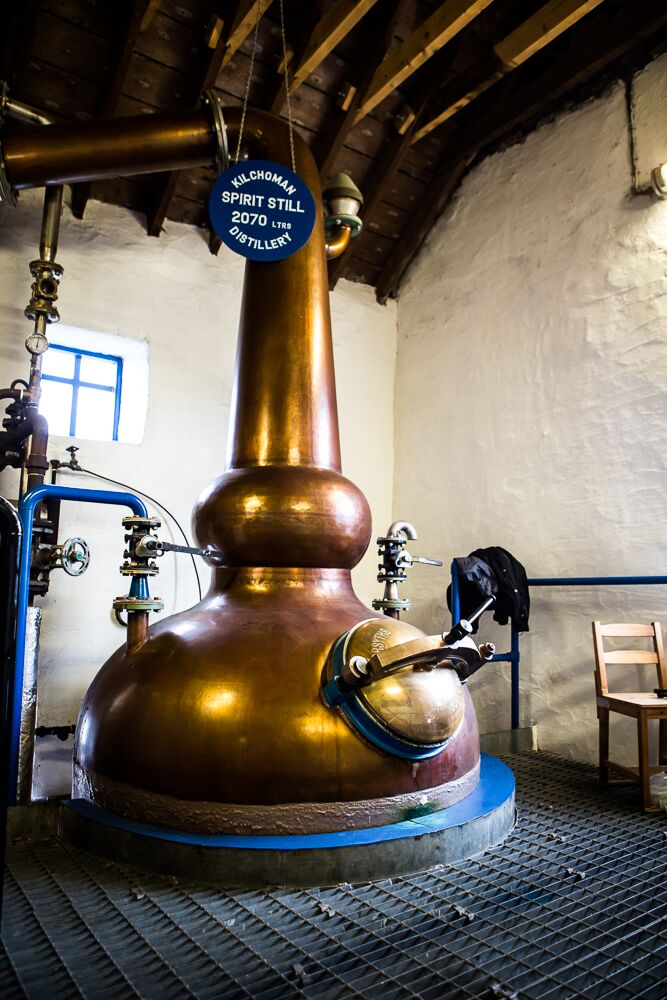
Why copper?
Copper is a very important factor when it comes to the pot stills. The interaction between the copper and the liquid will purify the spirit, it will purify the low wines from the wash still and the spirit from the spirit sill. The copper component has a heavy influence in producing the end product of Kilchoman new make spirit. In fact, some pot stills are shaped to maximise copper contact at key points, with the belief that the flavor can be tweaked at just the right level. Copper is also a fine heat conductor, helping to distribute heat evenly.
‘Our copper stills produce our unique signature Kilchoman, light floral spirit’. (Anthony Wills, 2018 – founder of Kilchoman)
The Cut
Not all the spirit produced in the spirit still is worthy of the cask. As mentioned, three phases of spirit are produced, with the foreshots deemed to contain undesirable compounds. It’s the vital role of the stillman to determine the ‘cut’ of a whisky, only sampling that which contains the perfect balance. This normally takes years of training to truly master and varies from distillery to distillery depending on what a whisky means to them. Kilchoman spirit runs through a spirit safe and is cut early, from 75% abv to 65.5% abv with an average of 70%. This gives our whisky its unique and famous freshness. Other whiskies are cut later or over a wider range, giving them completely different properties – yet another reason that scotch whisky is so wonderfully varied.
The Stillman
The art of perfecting the cut requires intimate knowledge of the ingredients involved, from the freshly malted barley to the glistening spring water. Cut too early or too late and the impurities of the feints can throw off the balance of whisky. So, the stillman waits, and watches. The pot stills may be surrounded by science but this aspect of the distilling process is a very human art form. It’s why expertise and tradition go a long way to creating the best whiskies. Yes, it’s a long and taxing process, but given the magical results, its worth is known in the end.
‘Tradition makes the whisky, people make the spirit.’ (Islay Heads, 2018 – Distillery manager)
After the success of our 2014 European Tour and 2015 being our 10th Anniversary year we have decided to hit the road once again, this September and October we will be taking the Kilchoman Land Rover through Belgium and The Netherlands before heading south to France, over to Germany, up through Denmark and Sweden before making our way back to Islay.
Further details will be announced in the next few weeks so stay tuned, we will also be posting details on our dedicated Facebook Page and on the distillery Twitter.
Dates are as follows Belgium 1-5th of September, Netherlands 20-24th Sept, France 25-28th Sept, Germany 30th Sept – 4th Oct, Denmark 6-8th Oct, Sweden 9-11th Oct.

Peat plays an essential role in the art of whisky making here on Islay. Generations of Islay distillers have relied on peat to dry their barley ahead of distillation. This process, born of necessity, has set Islay whiskies apart and created arguably the most distinctive and iconic style of Scotch whisky available. However more we are often asked ‘What is peat?’ ‘Where do you get it from?’ ‘What’s so special about Islay Peat?’ Here we delve into the science, history and traditions of peat cutting on Islay and ask why is it so important to creating a true Islay whisky.
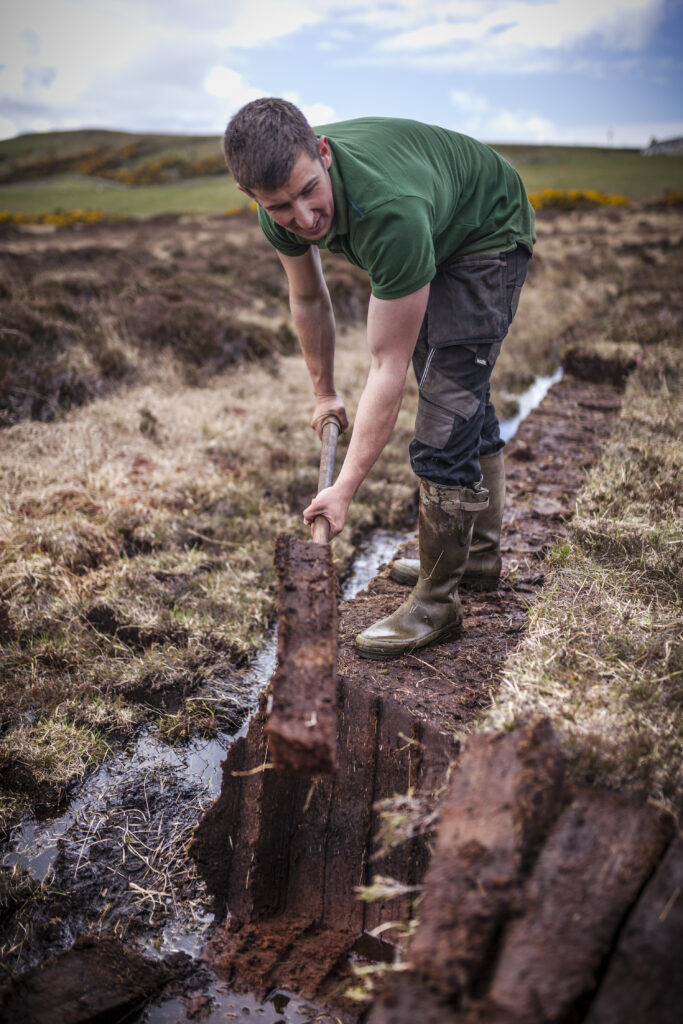
What is Peat?
Peat is vegetation within the ground. It is an accumulation of partially decayed vegetation or organic matter. This is unique to natural areas such as peatlands, bogs and moors. The peatland ecosystem is the most efficient carbon sink on the planet as peatland plants capture C02 naturally which is released from the peat, maintaining an equal balance of the opposing forces. Peat remains essential to many islands who use it as fertilising, retaining moisture and stopping the rate of weed growth within gardens and flower beds.
For centuries however, the primary use of peat has been as a source of heat. Islay and much of the western Isles regularly experience winds in excess of 80mph, as a result trees are few and far between meaning Islanders turned to peat as a fuel. Though it doesn’t burn as hot as wood or coal, peat was readily available at a time when Islay rarely traded with mainland Scotland. As the island modernised, cutting peat for domestic use has become less common, however for some of Islay’s more traditional distilleries peat remains crucial to creating their distinct smoky character.
Where does peat come from?
Peat comes from a peat bank; however, peat banks are not easy to come by, there are certain features within the environment that must be considered when looking for a peat bank.
To be a peat bank it must be a minimum depth of 1.5 to 2 metres. The surrounding area should be generally flat, avoiding stones and have plenty of heather growing on top and around the bank. When planning to cut peat, the peat bank should be accessible for not only people but also vehicles so the peat, when ready, is easy to move.
On Islay, the peat season would run from mid-April through to July, any day the locals of Islay were able to cut peat they would. The local peat cutters where expected to cut 18-20 ‘Perches’ a day for the Islay Distillery’s. A ‘Perch’ is a piece of peat 5.5 metres by 5.5 metres. In the 1960’s locals were paid more to cut peat than work within the distillery’s themselves, however it was very hard manual labour.
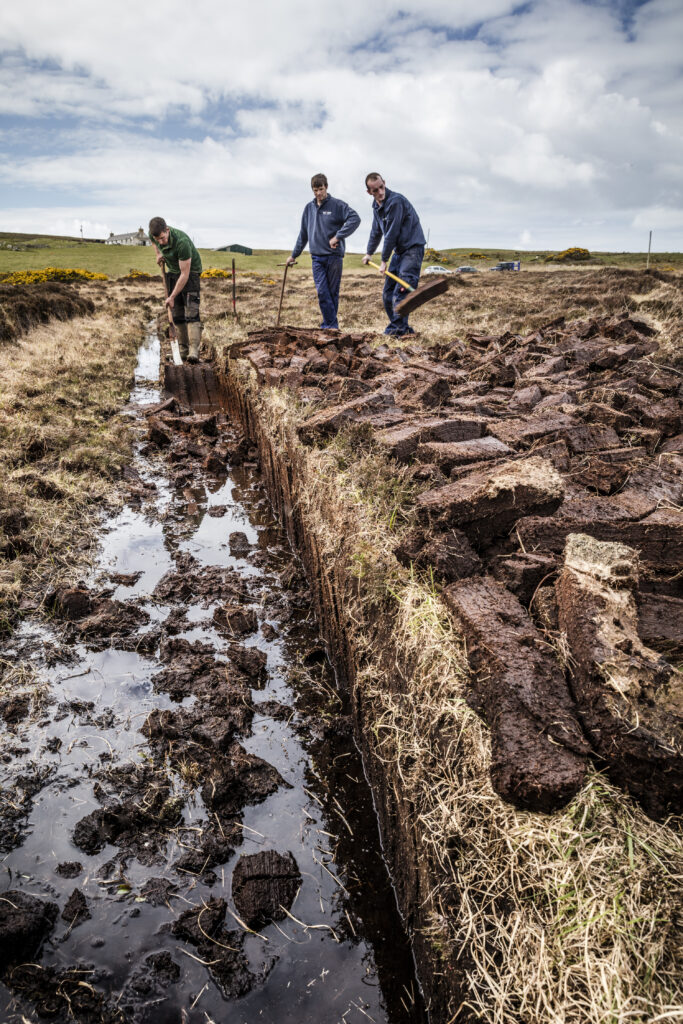
Once the Peat was cut they would carry each perch 5 metres from the end of the bank and lay it down to start to dry. The peat could be left anywhere from 7 days to 3 months depending on the weather. Once the peat had formed a crust they were then moved and placed into something called a ‘Window’ or a ‘Rook’
A window would be made up from the peat that was closer to the top of the bank, this peat was not as delicate as the peat further down within the bank and therefore would hold together better. This peat was placed on top of each other and thus a window was made.
A rook was slightly different, this was the peat that was older and further down within the bank, it was much denser and therefore was easier to break. The peat that made up the rook could be tens of thousands of years old.
The Windows and Rooks would then be left from 3 weeks to 3 months, again very dependent on the Island Weather. The locals would check the peat by breaking a piece off to see if it had dried throughout.
Once the peat was dry, it would be moved off the moss. There were two ways the peat could be taken away, the locals would use old yeast bags from the distilleries or old feed bags from the farm for the peat to be put in. Alternatively, a trailer would be brought in and the peat would be taken away loose. If the peat was taken away loose in a trailer it would then have to be stacked up, this was referred to as ‘grieving the stack’. This was a way in which the peat would be stacked but would shed any rain that fell.
Why does Kilchoman Distillery use Islay Peat?
Kilchoman, though the newest distillery on Islay, is arguably the most traditional in its scale and approach. Growing our own barley is part of this philosophy however equally important is using Islay peat to smoke our barley.
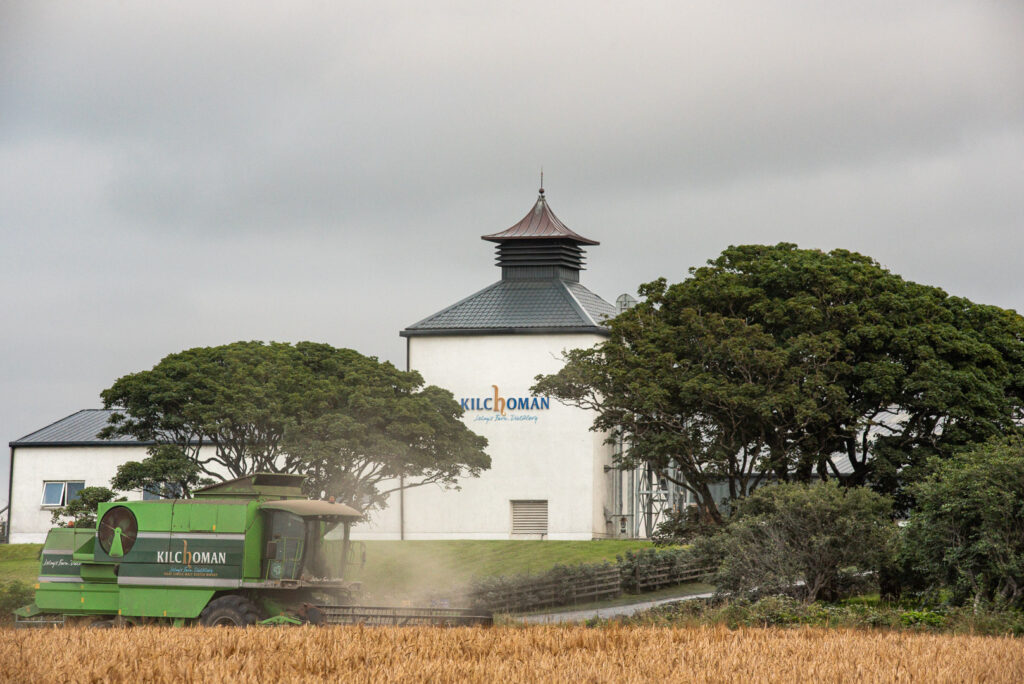
We have two sources of peated barley; we grow approximately 200 tonnes of barley here on the farm, which we malt and peat ourselves using peat cut from Cnoc Dubh banks near the distillery. This accounts for part of our needs, the balance of barley comes from the Port Ellen Maltings, a Diageo run malt house on the south side of the island supplying Kilchoman, Ardbeg, Coal Ila and Lagavulin.
Crucially, both here at Kilchoman and at the Port Ellen maltings Islay peat is burned beneath the malting barley to infuse it with unique Islay peat smoke character which once malted, distilled and bottled sets Islay’s whiskies apart.
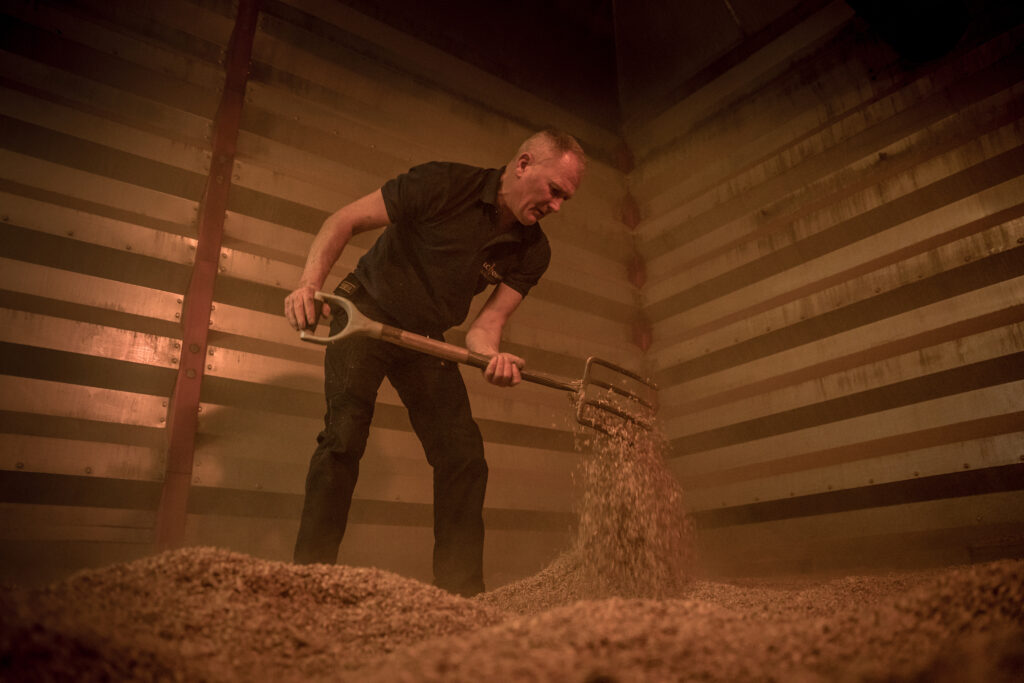
Islay is more exposed to the elements than mainland Scotland. The climate, ocean, wind and rain all have an effect on the island, therefore the peat and the whisky made from Islay peated barley are unlike any other; more salty, maritime and medicinal than mainland peated whiskies.
Discover more about our range of peated Single Malts HERE
On the 11th June Kilchoman took up sponsorship of the Islay Beach Rugby 2016 tournament. The beach rugby competition has gone from strength to strength over the years, attracting players from far and wide, including some ex internationals. It has become one of the highlights of the Islay calendar with plenty of local food and drink for everyone to enjoy as well as the feast of rugby on show.
The ‘Battle on the Beach’ was a huge success and thank you to Islay rfc for putting on a great event. Both mens and womens competitions were fiercely competitive and certainly not for the faint hearted! Although the sun only shone briefly on the day, a large crowd fuelled by drams of Machir Bay stayed until the end to watch the finals played out on Port Ellen beach.
Congratulations to Team 200 who came out victorious in the womens final and we are very proud to say Kilchoman won the mens competition, a third triumph in a row!
Thank you to everyone who came along and made it such a great day. Looking forward to next year already!